
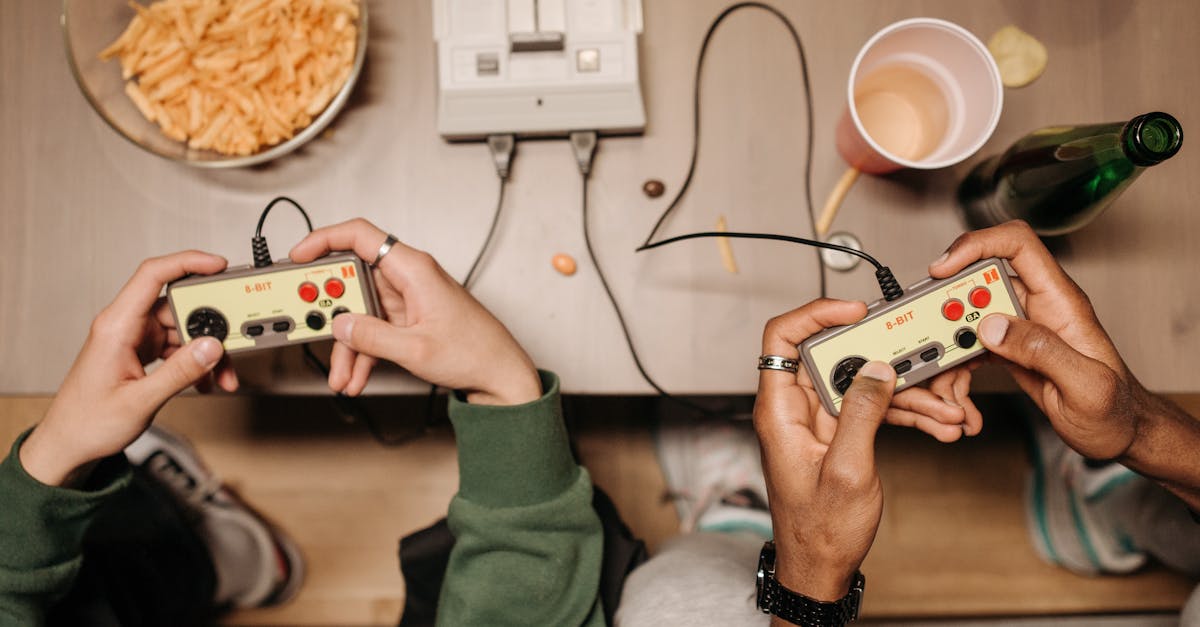
Blowing into a dusty NES cartridge, hoping the game would finally load—if you remember that, you know the power of video game nostalgia. It’s not just about old graphics or chiptune music. It’s about the rush you felt beating Bowser for the first time, the sting of losing your last life in Pac-Man, or the thrill of discovering a secret warp zone. Video game nostalgia isn’t just a memory; it’s a feeling that hits you in the gut, a time machine that takes you back to simpler days, pixel by pixel.
Why Video Game Nostalgia Hits So Hard
Here’s the part nobody tells you: video game nostalgia isn’t just about the games. It’s about who you were when you played them. Maybe you were a kid, sitting cross-legged on the carpet, controller in hand, while your parents argued in the next room. Or maybe you were a teenager, staying up way too late with friends, passing the controller back and forth, laughing until your sides hurt. Those moments stick because they’re tied to real feelings—joy, escape, connection.
Researchers say nostalgia helps us feel grounded. When life gets messy, we reach for memories that remind us who we are. Video game nostalgia works the same way. It’s comfort food for the soul, only with more power-ups and fewer calories.
The Science Behind Video Game Nostalgia
Let’s break it down. Studies show that nostalgia triggers the brain’s reward centers. When you hear the Super Mario Bros. theme or see Sonic spin-dashing, your brain lights up. It’s not just about remembering; it’s about reliving. That’s why old games can feel more fun than new ones, even if the graphics look ancient by today’s standards.
One study from the University of Southampton found that nostalgia can boost mood, increase self-esteem, and even make you feel warmer on a cold day. So if you’ve ever fired up an emulator on a rainy afternoon, you’re not alone. You’re actually giving your brain a little happiness boost.
Pixelated Memories: The Games That Shaped Us
Let’s get specific. Which games spark the strongest video game nostalgia? For some, it’s the original Pokémon Red and Blue—trading monsters on the playground, arguing over which starter was best. For others, it’s The Legend of Zelda: Ocarina of Time, with its sweeping fields and haunting melodies. Maybe you remember the first time you played Street Fighter II in a noisy arcade, or the hours spent building worlds in Minecraft before it was cool.
- Super Mario Bros. (1985): The game that taught us to run, jump, and never give up.
- Pokémon Red/Blue (1996): The start of a global obsession—and a million playground debates.
- The Legend of Zelda: Ocarina of Time (1998): The adventure that made us believe in magic.
- Final Fantasy VII (1997): The RPG that broke our hearts and blew our minds.
- Street Fighter II (1991): The reason your thumbs still hurt.
Each of these games isn’t just a title—they’re milestones. They mark the moments we grew up, made friends, or learned to lose with grace (or at least tried).
Why We Keep Coming Back
If you’ve ever struggled with the urge to replay old games instead of trying something new, you’re not alone. Video game nostalgia pulls us back because it’s safe. You know what’s coming. You know the secrets, the shortcuts, the music cues. There’s comfort in that predictability, especially when real life feels unpredictable.
But here’s the twist: replaying old games can also teach us something new. Maybe you notice details you missed as a kid. Maybe you finally beat that boss that haunted your dreams. Or maybe you share the experience with your own kids, passing the controller—and the memories—down a generation.
Modern Games and the Nostalgia Factor
Game developers know the power of video game nostalgia. That’s why we see so many remakes, remasters, and retro-inspired titles. Think of games like Shovel Knight, which looks and feels like an NES classic, or the endless parade of Mario re-releases. Even new consoles like the Nintendo Switch Online service let you play old favorites with a modern twist.
But not every nostalgia play works. Sometimes, a remake misses the mark, or a retro-inspired game feels hollow. The magic isn’t just in the pixels—it’s in the memories attached to them. If you’re chasing that old feeling, sometimes the only way is to dust off the original hardware and play it the way you remember.
Who Needs Video Game Nostalgia?
Let’s be honest: video game nostalgia isn’t for everyone. If you grew up after the PlayStation 2 era, you might not care about 8-bit graphics or MIDI soundtracks. And that’s okay. Nostalgia is personal. It’s for anyone who wants to reconnect with their past, relive old victories, or just escape for a while.
But if you’re the kind of person who gets misty-eyed hearing the Tetris theme, or who still remembers the Konami Code by heart, this is for you. You’re not just playing games—you’re keeping your history alive, one level at a time.
How to Relive Your Pixelated Past
Ready to dive back in? Here are some ways to scratch that video game nostalgia itch:
- Fire up an emulator: Play classics on your PC or phone. Just make sure you own the games legally.
- Buy a mini console: NES Classic, SNES Classic, Sega Genesis Mini—these tiny machines pack a punch.
- Join online communities: Reddit, Discord, and Facebook groups are full of fans sharing tips, mods, and memories.
- Host a retro game night: Invite friends, order pizza, and see who still remembers how to beat Contra without cheating.
- Share with the next generation: Play your favorites with your kids, nieces, or nephews. Watch their faces light up at the same moments you loved.
Next steps: Pick one game from your childhood and play it this week. Notice how it feels. What memories come up? What’s different now? Sometimes, the best way to move forward is to look back—just for a little while.
The Real Power of Video Game Nostalgia
Here’s why video game nostalgia matters: it reminds us that joy doesn’t have to be complicated. Sometimes, all you need is a simple game, a familiar tune, and a few good memories. Whether you’re chasing high scores or just chasing your past, those pixelated adventures still have something to teach us—about ourselves, about friendship, and about the power of play.
So go ahead. Dust off that old console, call up an old friend, and press start. Your pixelated past is waiting—and it’s just as fun as you remember.

