
Spend a few minutes on a modern sports betting platform, and you might feel something familiar, even if you cannot place it at first. The way the screen shifts. The way the numbers react. The way the layout guides your eyes from one moment to the next. It feels less like reading information and more like playing. That is not an accident. Betting platforms have been shaped quietly by years of gaming influence, and the result is an experience that moves with the same smoothness as a console menu or a mobile action game.
Open any space built around sports betting, such as areas connected to Betway, and the similarities become clear. You get the same focus on motion, the same attention to timing, the same effort to make you feel present rather than distant. Betting is no longer a separate activity. It now shares the same design language as the games people grew up with.
Movement Over Static Screens
Older betting sites used to be walls of numbers. You scrolled, you chose, you placed your wager. Everything felt slow and fixed. Now the screens breathe. Small animations guide your attention without pulling it away. Odds slide gently into new positions when the match tilts. Timelines move from left to right like side-scrolling progress bars. Even loading screens have become smoother, shaped so the viewer never feels stuck.
This way of presenting information comes from years of gaming design. Games learned early that players respond to motion. They follow moving elements more naturally than still ones. Betting platforms borrowed this understanding and applied it to matchday moments. A subtle shift is enough to tell you that something has changed.
Clear Paths for Quick Decisions
Console menus have always been built around quick movement. You flick between options without thinking. Most betting platforms now use the same approach. A clean path leads you from the match overview to the live markets. A small change in colour or spacing tells you where to look next. You do not study the layout. You feel it.
Even the structure of the pages shows the influence of gaming. Sections open and contract like expandable menus in games. Information updates without forcing you to reload. Everything stays within reach, even when the match is moving fast.
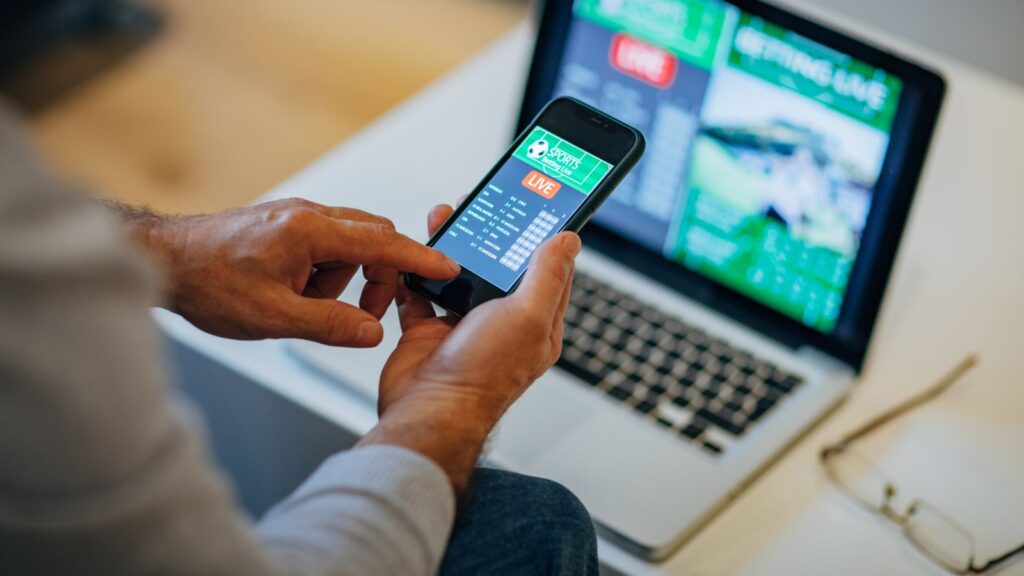
Platforms connected to Betway show this clearly. A live moment appears, odds adjust, and the experience stays steady. The app treats movement as a feature rather than a disruption.
Engagement Comes From the Small Things
Games are built on small feedback loops. A click, a sound, a soft glow. These little touches keep you involved. Betting platforms have started using the same idea. When a market opens, the shift is gentle but noticeable. When a highlight appears, the transition has a certain pace that feels natural.
These touches are not designed to distract. They exist to make information easier to follow, especially during live matches where seconds matter. Betting becomes something you track with the same instinct you once used in your favourite game.
The Line Between Watching and Playing
The biggest change is the way platforms make the fan feel active. You are not just watching a match. You are interpreting it, tracking it, and reacting to it. The screen becomes a space where information moves like gameplay. The match becomes a world in motion, and the platform becomes your way of understanding it.
Sports betting platforms resemble gaming platforms more each year because they share the same goal. They want the viewer to feel involved, steady, and present inside the moment. Once the pieces fall into place, it stops feeling like a screen full of stats. It becomes something you engage with almost instinctively, the same way you did with the games that kept you hooked years ago.