
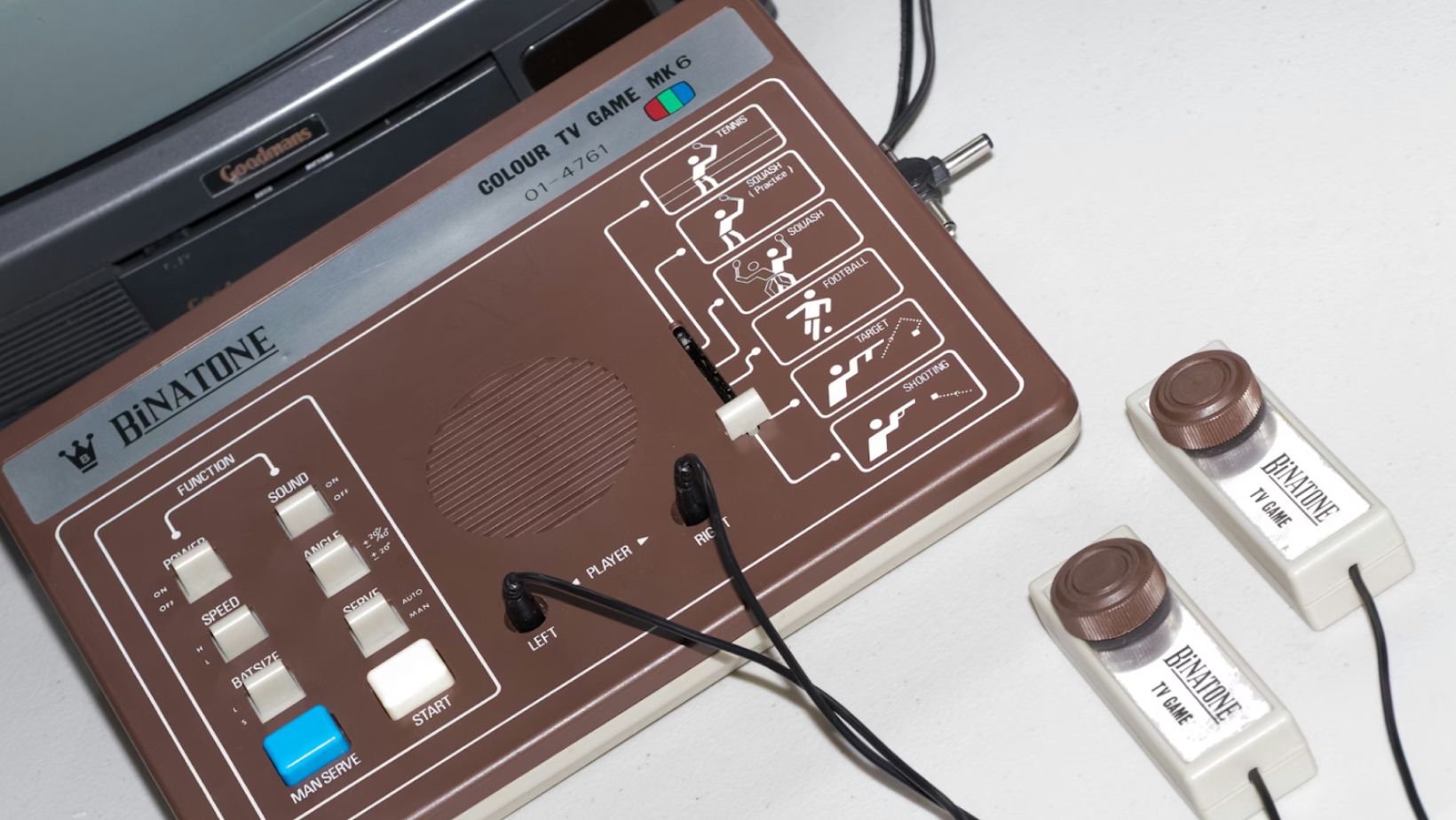
Long before games were obsessed with non-stop updates and cutting-edge graphics, early video games were focused on something more enduring: the way people think
This article takes a closer look at a small group of classic games that have aged incredibly well. Rather than listing off every single old game ever created, the focus here is on getting to the bottom of what it is about certain games that still feel so satisfying today, and how their design continues to shape modern gaming.
Why Some Retro Games Age Better Than Others
Not every old game stands the test of time. Many were tied too closely to the quirks of their original hardware, clunky controls, or visual tricks that don’t translate well in today’s world. The retro games that keep on going tend to have something else in common.
They’ve got clear, easy-to-understand rules. They rely on mechanics over a show-off appearance. They give players immediate and meaningful feedback. Most importantly, they challenge them without overwhelming them, and they reward focus over speed.
Minesweeper
For millions of people, Minesweeper was a constant presence in the background. Installed by default on early PCs, it introduced players to logic-based problem solving.
At its core, Minesweeper is all about deduction. Every number on the grid represents a piece of information, and every move is a small, logical decision. The game rewards careful observation, patience, and the ability to hold multiple possibilities in your head at once.
Its design doesn’t rely on trendy graphics or flashy effects. Players who want to revisit the experience can play Minesweeper online in a clean, distraction-free format that stays true to the original logic-focused design.
Pac-Man
Pac-Man is often remembered for its bright colors and iconic characters, but its real strength lies in its tight, well-honed gameplay. The game gives you a simple maze, a clear objective, and enemies that follow consistent patterns.
Players quickly learn that success is about timing, positioning, and understanding how the environment influences enemy behavior.
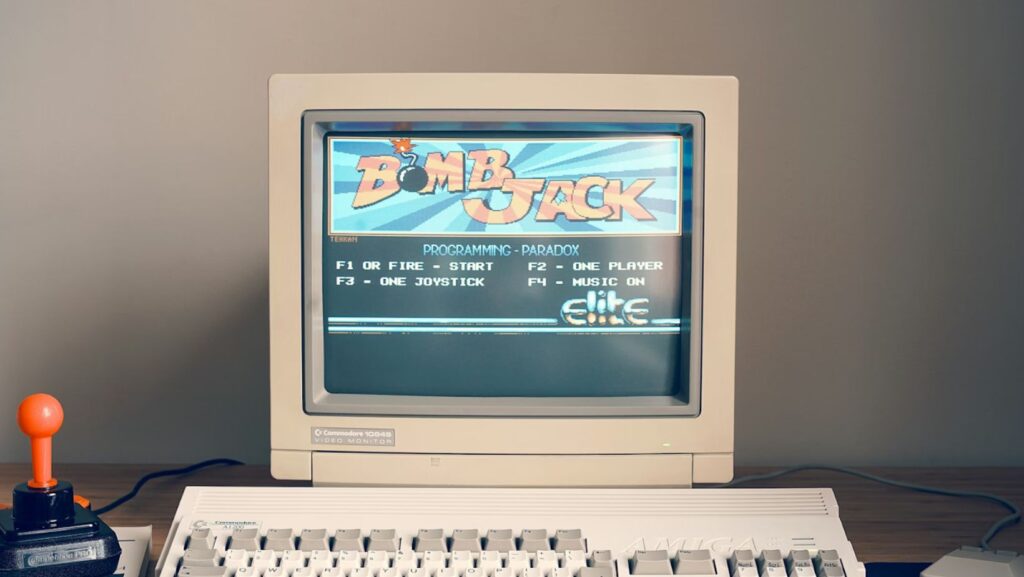
Pac-Man’s influence stretches way beyond the arcades. Its balance of accessibility and mastery helped define how difficulty curves work in games.
Solitaire and FreeCell
Solitaire and FreeCell rarely get the same recognition as arcade hits, yet their influence on gaming culture is significant. These games normalized the idea that not all games need competition or over-the-top spectacle to be engaging.
Solitaire introduced millions of users to casual digital play. FreeCell added an extra layer of strategy by making all cards visible from the start, turning each game into a solvable puzzle rather than a gamble. Both encouraged players to think their way through each game.
Their enduring popularity shows that calm, repeatable gameplay has a lasting appeal, especially for players seeking focus without the pressure.
Snake
Snake is a masterclass in designing within the limitations you’ve got. Originally created for early mobile phones with tiny screens and minimal controls, it turned those technical limitations to its advantage.
The rules are simple: move, eat, grow, and avoid collisions. Yet each success increases difficulty naturally. The growing tail becomes both a reward and an obstacle, forcing players to plan ahead while maintaining steady control.
Snake’s influence can be seen across modern mobile gaming, where simple mechanics and short sessions remain dominant. Its success proves that with thoughtful design, technical limitations can be turned into strengths.
Pong
Pong might look primitive by modern standards, but its design clarity is second to none. Two paddles, one ball, one objective. Everything about the game is immediately clear.
What made Pong special was not just that it worked, but that it worked for two players at once. It introduced direct competition without over-complicating things, making it one of the earliest examples of accessible multiplayer gaming.
Even now, games that strip competition down to its essentials owe a debt to Pong’s straightforward design philosophy.
Chess and Hangman
Not all retro games were action-oriented. Early digital versions of chess and hangman brought traditional thinking games into the digital space, expanding the way people interact with logic and language. Chess games allowed players to test their strategic thinking in private and learn new strategies without social pressure..
Hangman was a game that taught you how to guess words and solve problems through pattern recognition and learning by trial and error, in a very relaxed way
These games helped prove that computers can actually be a way to challenge yourself mentally.
What Modern Games Still Use from These Old Favorites
A lot of modern games, and this includes more visually complex games too, still rely on elements that originated with the retro games. Principles like grid-based logic, simple rules, and the choice between taking a risk or playing safe have their roots in how the first games were designed.
Puzzle games and strategy titles continue to make use of these principles, as they make for good challenges that are satisfying to overcome.
The old games actually created a design template that many modern games are still drawn from.
Why Getting Back to Retro Games is Still So Enjoyable
There’s something nice about games with a clear start and finish. Retro games often let you finish a whole experience in one go, giving you a real sense of completion, where many modern games actively decide against it.
They also cut out a lot of the unnecessary clutter. Fewer systems to keep track of and fewer distractions mean you can really focus on what the game is asking of you. This makes classic games particularly appealing in today’s world of constant digital noise.
Going back to these retro classics isn’t so much about rejecting modern gaming as it is about appreciating the design of games, rather than the design in games, that focus on intention and clarity.
In conclusion, retro games that have managed to last are the ones that were built on solid ideas rather than fleeting trends. Games like Minesweeper, Pac-Man, and Snake keep on going because they value the player’s time and intelligence over reflexes.
As technology keeps changing, these classic games serve as a reminder that sometimes simple ideas can actually result in games that are deeply enjoyable.

