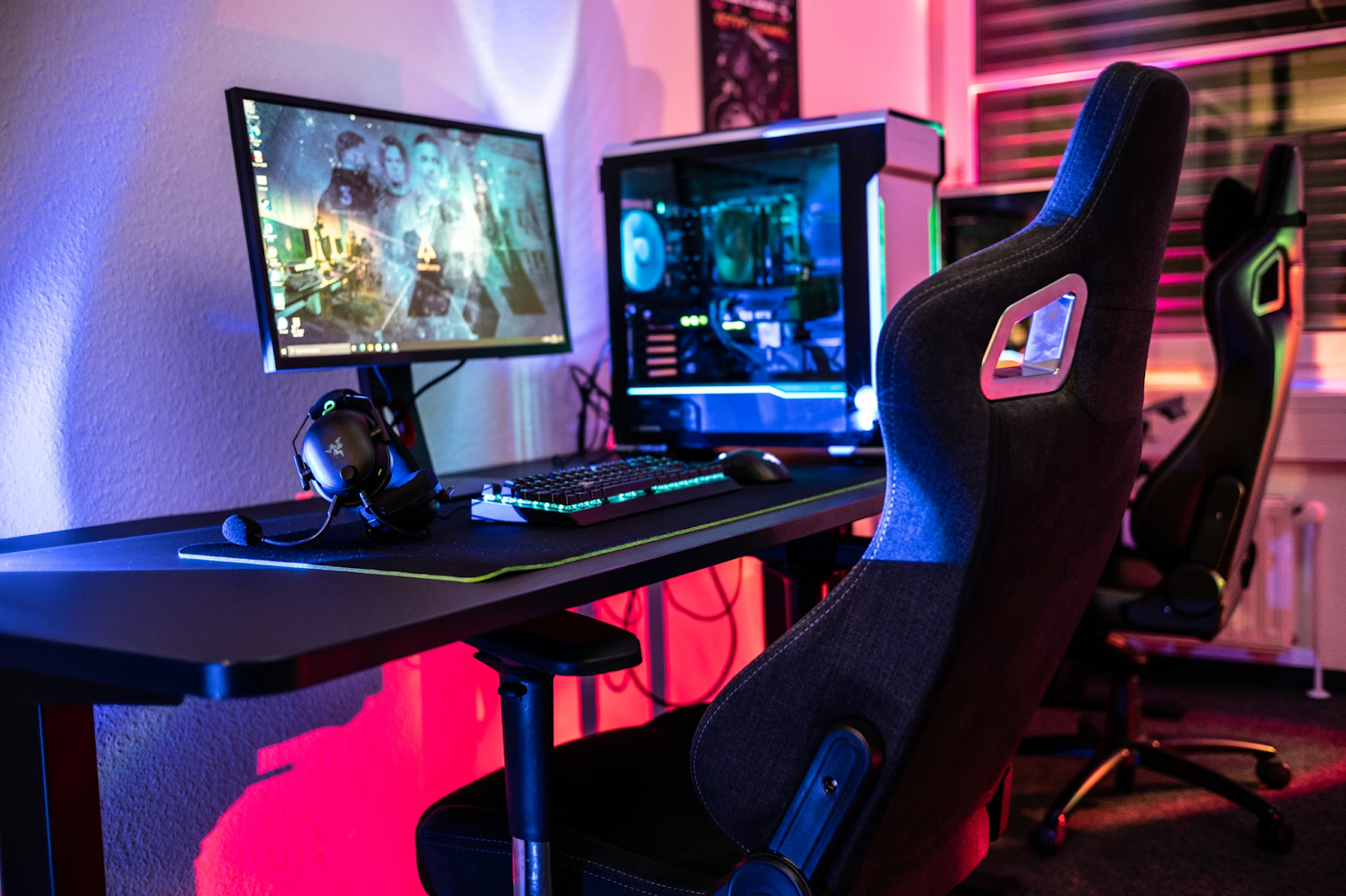
If you grew up in Canada with a controller nearby, you probably remember the first real rivalry: siblings, friends, the kid down the street who somehow never missed a combo. Back then it was couch bragging rights. Now the same competitive itch shows up in ranked ladders, live brackets, and packed watch parties.
Canada’s gaming scene also stopped being “just a pastime” a long time ago. Industry research for 2023–24 puts the country at 821 video game companies, 34,010 jobs, and about $5.1B in economic impact, which helps explain why competitive gaming has real infrastructure behind it now.
As the audience grows, gaming culture also brushes up against adult-only entertainment that lives in a different lane, including regulated casino gaming. For a Canada-focused orientation on responsible play and province-level considerations, RG.org is a useful starting point.
Retro gaming taught Canadians how to compete
Retro gaming did not just create nostalgia. It trained habits that look a lot like sport: repetition, pattern recognition, and the ability to stay calm when you are one mistake from starting over. That is the same mental loop you see in modern esports, just with higher stakes and better cameras.
It also built community muscles. Long before official leagues, people were already hosting tournaments, agreeing on rules, and learning how to win without being a jerk about it. That social layer is why scenes survive after the hype fades.
A few retro-rooted traditions still shape competitive play today:
- Score chasing: the cleanest performance metric, and the ancestor of ranked ladders
- Speedrunning: competition built on rulesets, verification, and tiny optimizations
- Fighting game locals: in-person brackets where etiquette matters as much as execution
In short, retro culture gave esports its posture. The competition looks new, but the instincts are old.
From LAN parties to brackets: the structure that made esports watchable
Esports became easier to follow when it adopted formats fans already understand. Brackets, schedules, standings, and clear match stakes turn “people playing a game” into “a season you can track.” Once that clicks, viewers stop watching only highlights and start watching narratives.
Canada’s geography nudged the scene in a useful direction. Online leagues keep communities connected across long distances, while live events feel like a genuine occasion. You might play weekly from home, then treat the in-person tournament as the moment that counts.
Most Canadian events still lean on a few familiar formats:
- Single elimination: fast, dramatic, and unforgiving
- Double elimination: more accurate at sorting skill because one bad match does not end a run
- League play: regular schedules and playoffs, closest to traditional sports framing
The takeaway is simple: structure builds trust. When fans know what a win means, they show up again.
The Canadian ecosystem behind the spotlight
Competitive gaming grows faster when there is local support around it: studios, production talent, event operators, and media that knows how to tell the story. Canada has that broader base, which is one reason esports feels less like a niche and more like a mainstream entertainment product.
The economic footprint matters here, not because money makes something “real,” but because money funds consistency. When a country supports a large development workforce, it also supports training programs, broadcast skills, and the kind of event planning that turns a tournament into a repeatable product.
There is also a national-identity layer beginning to form. Esport Canada, for example, has announced a strategic partnership with OverActive Media aimed at helping Canadian athletes and teams compete in nation-based esports events. It’s the same kind of “build a pathway and support system” approach that traditional sports have relied on for years.
This is what maturity looks like: fewer one-off moments, more pathways. When players can see the next step, they take the scene seriously.
Why esports feels like sport when you watch it properly
At first glance, esports can look like “just sitting.” Watch closely and you start noticing the same performance pillars you would recognize anywhere: preparation, decision-making under pressure, and the ability to adapt when the plan breaks.
The best teams operate like high-performance units. They review footage, practice specific scenarios, and build routines that protect focus. In most top titles, mechanical skill is the entry ticket, not the finish line.
If you want a quick lens for what to watch, focus on three things:
- Information: who knows what, and when
- Timing: when teams choose to commit, rotate, or disengage
- Composure: who stays disciplined after a mistake
That is why esports has become sticky as a spectator sport. It teaches you how to read it, and then it rewards you for learning.
How to follow the Canadian scene without getting overwhelmed
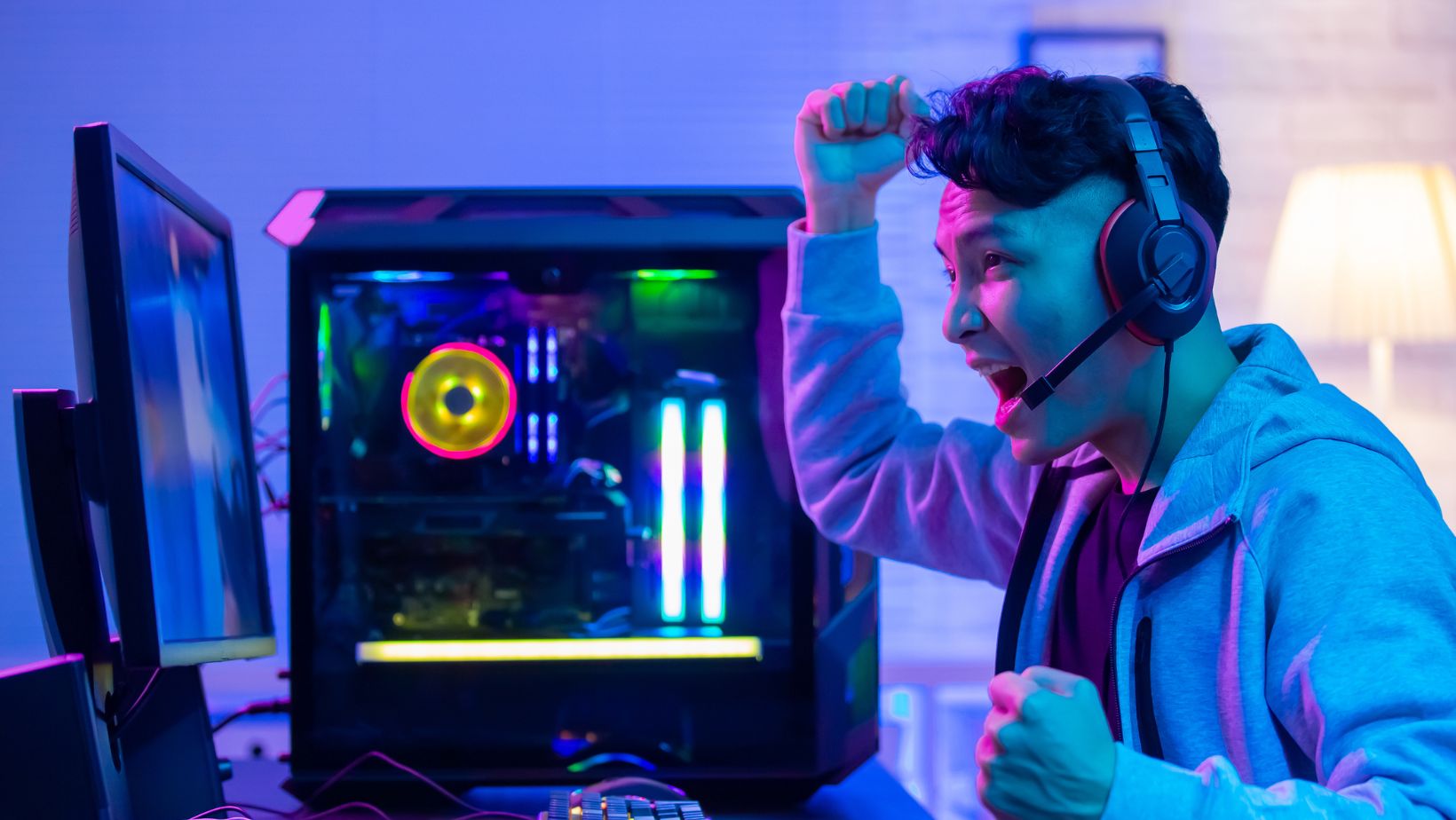
Most new fans do not bounce because they dislike esports. They bounce because there is too much of it. The fix is to build a small routine, the same way you would with any sport.
Start with one title and one competitive circuit. Learn the win condition, the roles, and what a “good” decision looks like. Then widen your view slowly.
A simple path that works:
- Pick one game you genuinely enjoy watching. Interest beats obligation.
- Learn the roles and the objective. Ten minutes of basics saves hours of confusion.
- Follow one league or one event series. Consistency creates context.
- Use highlights for moments, full matches for understanding. Both matter, just for different reasons.
- Find a local community touchpoint. Campus clubs, locals, and watch parties make it social.
This approach keeps the fun intact. You get the story without doing homework every night.
A clear boundary: esports culture and adult-only gaming
Gaming culture is broad. Esports is skill-based competition with structured rules and public results. Adult-only casino gaming is a separate lane, and in Canada the legal and regulatory details vary by province.
A good example is age rules. British Columbia states you must be 19 or older to gamble in the province, while Manitoba’s VLT rules state no person under 18 is permitted to play VLTs. Ontario’s regulated online gaming market launched in April 2022 under iGaming Ontario, which sits within Ontario’s provincial framework.
For readers, the practical point is not to memorize every rule. It is to recognize that “gaming” contains categories with different protections and eligibility requirements. Keeping those lanes distinct helps competitive gaming stay welcoming, especially for younger players.
That clarity protects the scene’s credibility. When communities set boundaries, they last longer.
The real reason this became a sporting phenomenon
Canada did not turn video games into sport by accident. It happened because the culture already understood competition: practice, rivalries, and showing up for the next event. Retro gaming built the habits, esports organized the structure, and local ecosystems gave it staying power.
The final step was spectatorship. Once people could follow narratives, cheer for teams, and share the experience, gaming stopped being only personal. It became communal.
That is the shift that matters most. When play becomes belonging, it starts to look a lot like sport.