
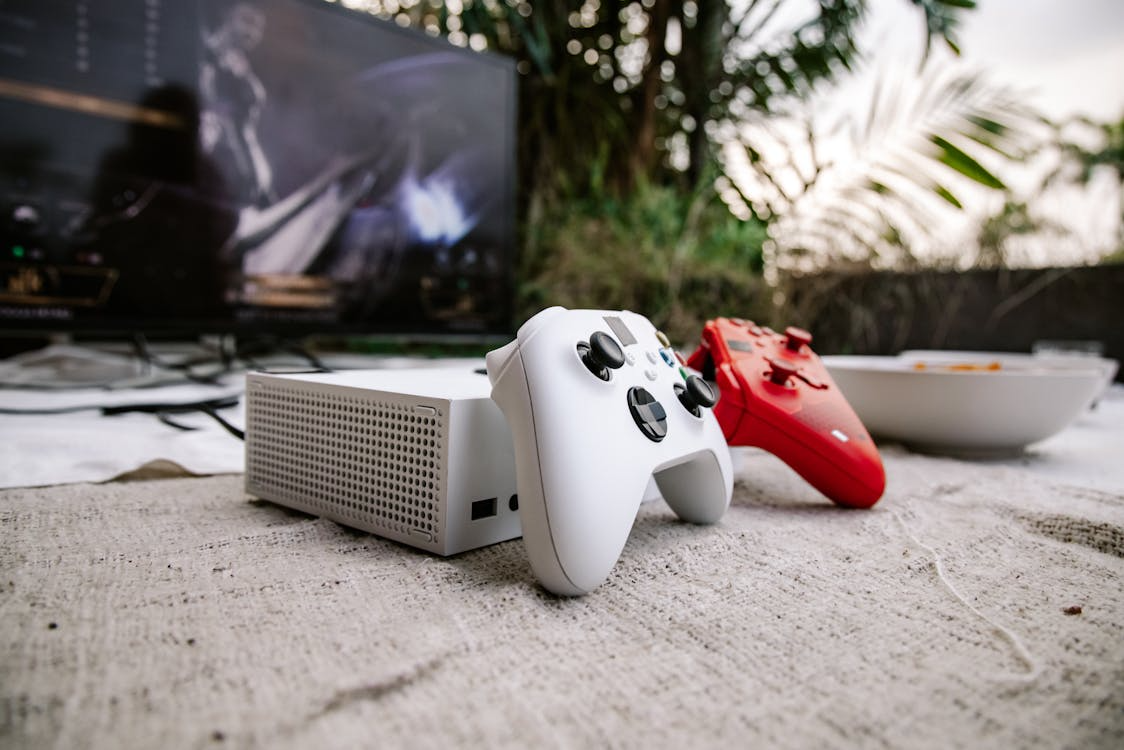
Cloud gaming has quietly turned a corner. Five years ago it was a fragile demo with stuttering controller inputs and a library that read like a discount bin. Today, NVIDIA’s GeForce NOW Ultimate runs games on RTX 5080-class virtual rigs at up to 5K and 120 FPS, Xbox Cloud Gaming is available across 29 countries with day-one Game Pass releases, and PlayStation Plus Premium streams a deep PS4/PS5 library to anywhere with a decent connection. The technology works. The catch is that “works” varies a lot depending on where you live, what you play, and how your home network is set up.
Where the technology actually stands in 2026
The headline upgrade this year is on the NVIDIA side. As of May 2026, GeForce NOW Ultimate members can stream nearly the entire 4,000+ title Ready-to-Play library on RTX 5080 virtual rigs, with DLSS 4, ray tracing, and Reflex enabled by default. That’s a real jump from the selective rollout RTX 5080 had on the cloud through 2025. Xbox Cloud Gaming is included with Game Pass Ultimate at $19.99/month in the US and launched in India in late 2025, bringing the total supported country count to 29. PlayStation Plus Premium sits at a similar price point.
There’s a wrinkle every gamer should know about, though: cloud libraries differ between regions, and so do prices. The same Game Pass Ultimate subscription opens different game catalogs in Japan vs the US vs the UK, and GeForce NOW’s India tier launched at roughly a third of US pricing. For frequent travelers, expats, or gamers who simply want access to the broader library available in another region they legitimately subscribe to, a quality VPN can make a real difference — see what this VPN service offers if you’re looking for one with the low-latency server presence and gaming-friendly routing that matters for streaming play. ISP throttling of gaming traffic is another reason some players use one, though that’s been less common since the FCC net-neutrality back-and-forth settled down.
The latency reality check
The single biggest factor in whether cloud gaming “works” for you is how far you sit from the nearest data center, and how stable that path is. A few practical numbers and rules worth keeping in mind:
- Wired beats Wi-Fi every time. Even a great Wi-Fi 6E setup adds 5–15 ms of variable latency. For fighting games or competitive shooters, that’s a real handicap.
- Expect 60–100 ms total input latency on cloud gaming over a wired connection in a supported region. Local PC hardware on the same monitor sits closer to 15–30 ms. The gap is shrinking but it’s still there.
- Single-player and story-driven games tolerate cloud just fine. Cyberpunk 2077, Baldur’s Gate 3, Forza Horizon 6 — all great cloud experiences.
- Competitive shooters and fighting games are still rough. Valorant, Tekken, Street Fighter 6 — you’ll feel it. Not unplayable, but not where you want to grind ranked.
- 5 GHz Wi-Fi or wired Ethernet, no other heavy users on the network, and a router less than three years old is roughly the baseline you need for a clean experience.
If your living room is a 6 GHz Wi-Fi 7 setup with a wired backbone, you’ll get more out of cloud than most. If you’re on a five-year-old router doing double duty as a smart-home hub, that’s where the “cloud gaming is bad” reviews tend to come from.
The same distance-to-server math applies if you run your own multiplayer world instead of a cloud-streamed one — hosting a Minecraft, Rust, or ARK server through a game server host like PingPlayers with data centers close to your group matters just as much as picking a nearby cloud gaming region, since the physical hop to the server is what sets your latency floor either way.
How the major services compare
Here’s a snapshot of where each of the big options sits right now. None of these are static — pricing and library size shift constantly — but the structural differences are stable.
|
Service |
Best tier |
US monthly price |
Max output |
Library structure |
|
GeForce NOW Ultimate |
RTX 5080-class |
$19.99 |
5K / 120 FPS or 1080p / 360 FPS |
Bring-your-own-games from Steam, Epic, Xbox, GOG; 4,000+ Ready-to-Play |
|
Xbox Cloud Gaming |
Game Pass Ultimate |
$19.99 |
1080p / 60 FPS |
Game Pass library; day-one first-party launches; 29 countries |
|
PlayStation Plus Premium |
Premium |
$17.99 |
4K / 60 FPS (select titles) |
PS4/PS5 catalog plus classic PS1/PS2/PSP games |
|
Boosteroid |
Standard |
$9.89 |
1080p / 60 FPS |
Bring-your-own from Steam, Epic, Battle.net, etc. |
|
Shadow PC |
Boost |
$14.99 |
1080p / 60 FPS |
Full Windows VM — install anything |
Worth noting: NVIDIA’s expansion of RTX 5080 access across nearly the entire library, as detailed in NVIDIA’s May 2026 GeForce NOW blog, is the biggest single quality jump any cloud service has shipped in a year. If you’re choosing today and have a strong connection, Ultimate is the technical leader by a comfortable margin.
Getting the coolest out of the service you pick
A few principles will get you most of the way there. Run the service’s diagnostic test before subscribing — both NVIDIA and Microsoft offer free trials or short windows where you can confirm your connection actually handles streaming. Skip Wi-Fi for any game you care about playing competitively, and check whether your ISP offers a gaming-priority routing option, since many do, often free. If you game across multiple devices (TV in the evening, phone on commute, work laptop on lunch break), prioritize the service whose app exists on all of them; the cross-device flexibility matters more in practice than the spec sheet suggests.
For a broader view of how streaming and other tech have changed gaming over the past few years, our piece on technological advancements and how they’ve improved gaming covers the bigger picture, from haptics to AI-assisted graphics.
Bottom line
Cloud gaming in 2026 is a legitimate option, not a compromise. The technology works for the vast majority of games most people actually play. The remaining friction comes from your network, your distance to data centers, and the regional patchwork of libraries and pricing — all of which you have some control over once you understand the mechanics. The smarter move in 2026 is to pick the service that fits your setup, know how to optimize for it, and stay clear-eyed about what the underlying constraints actually are. Local hardware still wins on the highest-end competitive play. For everything else, the cloud is a real option, and increasingly a great one.

