
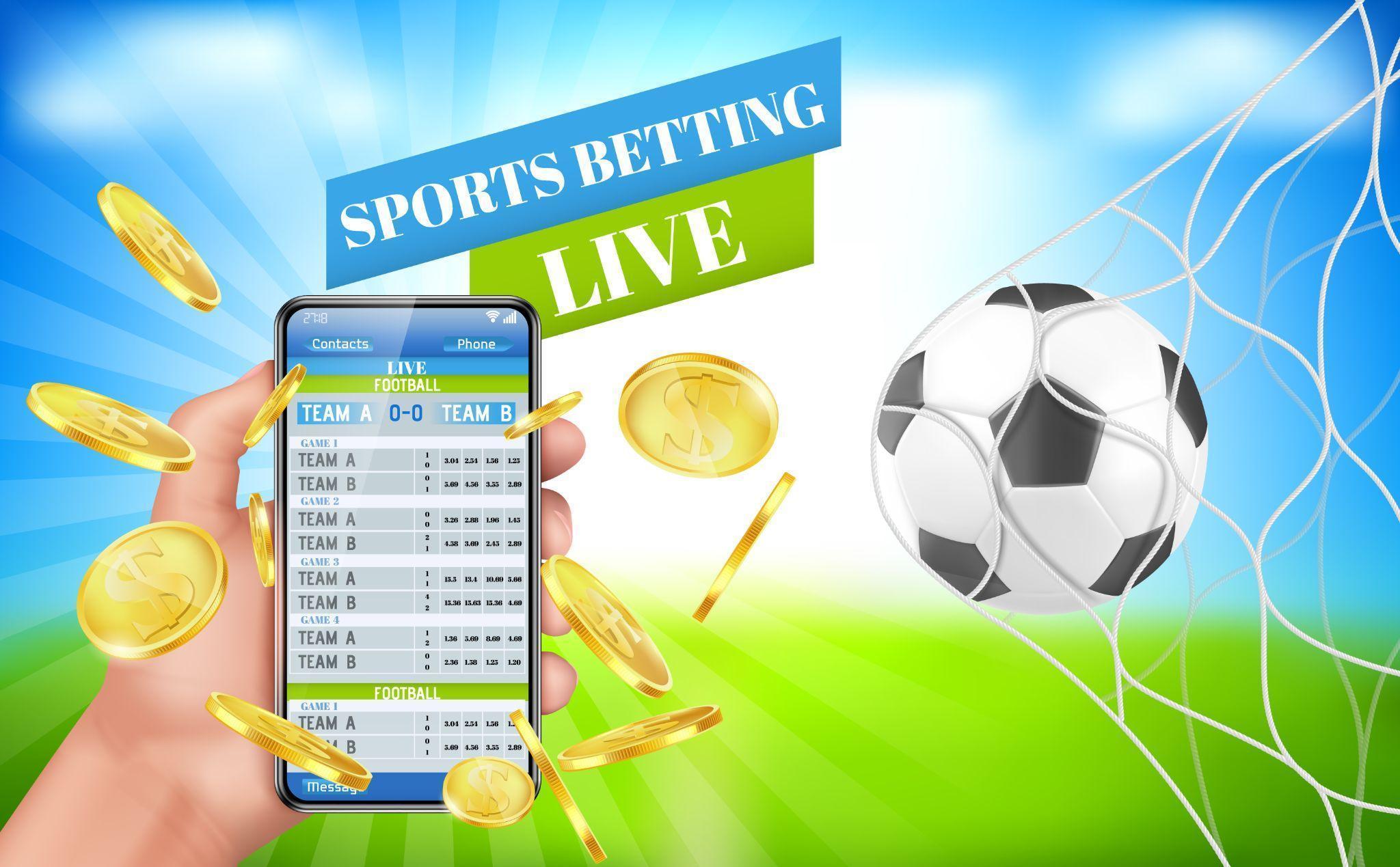
If you have been a digitally savvy individual for years, you may already know that in most cases, mobile apps are perceived as poorer analogues of official web pages. Crippledware functionality, unsightly visuals, clunky fonts—this is not an exhaustive list of the features omitted in leading bookmaker websites.
Today, desktop versions are primarily perceived as cumbersome panels, while mobile software has emerged as a means of quality entertainment. The Mostbet App, for instance, guarantees prime access not just to odds; instead, it takes you into the realm where user experience (UX) is carefully designed down to the millimeter.
Let’s take a closer look at how leading-edge mobile apps lock in our attention, why they are so habit-forming, and how their interfaces reflect the essence of forecasting online.
1. The Interface Architecture
What first comes to mind when you compare a mobile app against its desktop version? Probably, human engineering or ergonomics would top the list. On the PC, you’re always tied to a mouse, keyboard, and a huge monitor, where your eyes dazzle from hundreds of numbers. In an app, the Thumb Zone goes with your gut.
Anatomically, humans are comfortable tapping only in the lower and central parts of a smartphone screen, and presumably, app developers are well aware of this, bringing the power of control in a single app.
Example: Contemplate how the Mostbet app implements the Live tab. The most popular outcomes (W1, X, W2) are centered on the screen for enhanced comfort. You can ride a crowded Baku bus, hold on to the handrail with one hand, and catch shifting over/under odds in a split second.
2. Speed as the Key Factor for Survival
In live betting, a second of delay equals tremendous cash loss. On a desktop, you’re leaning on your provider’s speed, the complexity of your browser’s animations, and a ton of scripts that load in parallel.
A mobile app, in turn, shows a totally different approach to autonomy. The architecture of iOS and Android operating systems allows for caching key graphic elements, design, icons, and line grids directly on the device upon installation. Only the pure odds figures are downloaded from the network in real time.
Example: It’s the 89th minute of a Qarabag vs. Neftchi match. The score is 1-1, a corner kick. Your gut feeling is persistently whispering that an extra goal is to be scored. In a browser, you’ll agonizingly wait for the page to refresh, while in the app, bets are accepted in one click using the “One-Click Bet” feature.
3. The Psychology of Push Notifications
Why are we so reliant on apps if we do not have any intention to use them properly? The answer lies in the mechanics of push notifications. Today, banal and straightforward automated messages like “Come and place a bet!” are no longer viable—they simply get on users’ nerves and send the annoying app straight to the trash bin.
The leading-edge approach of developers is a customized context. Your actions are closely monitored, and the app is designed to continuously analyse which leagues, teams, and sports you gamble on most often. If you’re a devoted English Premier League fan and bet on Chelsea, the app will never spam you with the Vietnam Table Tennis Championship.
Example: A quarter of an hour before a crucial match, and a succinct notification pops up on your screen: “Mudryk is in the starting lineup against Arsenal today. The odds on his goal are 5.2. Let’s see.”
4. “Gamification” and Hidden Engagement Mechanics
Generation Z gamblers are not keen on pouring numbers on their devices. They crave interactivity, adrenaline rush, and recognition. Therefore, the prime apps today mimic full-fledged video games so vividly.
At Mostbet, this concept is meticulously implemented through an internal system of game statuses and virtual coins (Mostbet Coins). Complete an engaging daily quest (for example, “place three accumulator bets on esports outcomes”) and receive a pleasant bonus.
5. Dark Theme Aesthetics and “Mobile Trance”
You’ve probably noticed that almost all modern bookmaker apps open by default in deep, dark, black, or navy blue tones. This is far from just a fad, but a rigorous calculation.
Firstly, it’s a simple matter of caring about gamblers’ eyesight and smartphone battery life. People place bets in the evening or at night, comfortably reclining on a sofa in a dark room. A regular white screen in such conditions would be jarring to the eyes and trigger a subconscious, defensive urge to shut down the app.
Secondly, it creates a strong emphasis on the matter. Against a deep, ink-black background, any vibrant markers (green arrows indicating rising odds, red indicators indicating falling quotes) look like enticing neon signs in a nighttime metropolis. Consequently, a person imperceptibly falls into a psychological state of “mobile trance,” where real time flies by completely unnoticed.
A Player’s Safety Checklist
To ensure mobile betting remains a truly enjoyable experience and doesn’t become a headache, using self-monitoring tools is pivotal.
- Enable strict deposit limits: In your personal profile settings, you can set a fixed deposit limit for a day, week, or month.
- Keep live broadcasts unmuted: Streaming matches directly within the interface is an incredibly cool feature, but try to watch the game mindfully and not let it run in the background while you’re busy with something else.
Bottom Line
Nothing beats a user-friendly mobile app for placing bets. This is a complex technological product at the intersection of big data, neuroscience, and UX design. By downloading high-quality software to their smartphone, players secure supreme comfort and an around-the-clock support system.
There is a golden rule: the simpler, more accessible, and more seamless the betting process becomes, the higher the level of personal responsibility and awareness a player must exercise. Play wisely, appreciate speed, but keep emotions in check.

